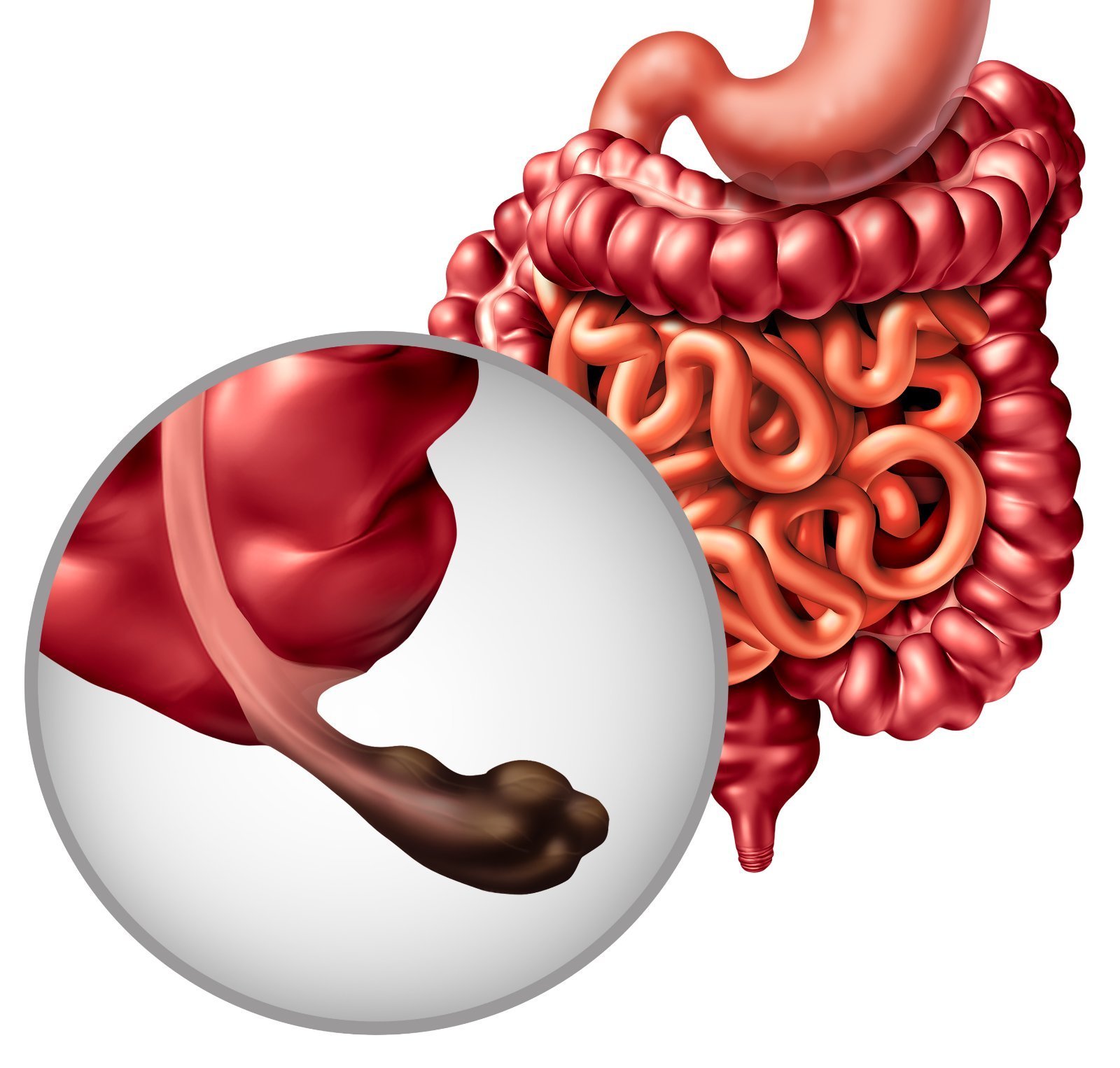
What Is Appendicitis?
Appendicitis is a sudden swelling of the appendix. The appendix is a small, tube-shaped organ in your lower right belly. Although its exact role is not clear, it can become blocked and infected. When this happens, it causes pain and other symptoms. If not treated, appendicitis can be dangerous. For this reason, knowing the early signs you should not ignore is very important.
Why Early Detection Matters
Early detection of appendicitis can save lives. If you catch the symptoms early, you can get treatment before the appendix bursts. When the appendix bursts, infection can spread in the belly. This can lead to serious problems, such as peritonitis, which is a severe infection. Therefore, acting quickly helps prevent these risks. According to the CDC, prompt care lowers the chance of complications.
Early Signs and Symptoms of Appendicitis
Recognizing the early symptoms of appendicitis is key. While not everyone has the same signs, some are more common. Watch for these early warning signs:Pain near the belly button: Often, pain starts around the navel and then moves to the lower right side.Loss of appetite: Many people stop feeling hungry.Nausea or vomiting: Feeling sick or throwing up can happen soon after the pain starts.Mild fever: A low fever may appear as the infection grows.Swelling in the belly: Sometimes, the stomach looks or feels bloated.Constipation or diarrhea: Changes in bowel habits can also be a sign.
However, not everyone will have all these symptoms. Sometimes, the pain can be dull or sharp. In children and older adults, signs may be less clear. Still, if you notice these symptoms, it is wise to pay attention.
When to Seek Medical Help
If you think you have early signs of appendicitis, do not wait. Seek medical help right away if you notice:Sudden, sharp pain in the lower right bellyPain that gets worse with movement, coughing, or sneezingSevere nausea or repeated vomitingHigh fever or chillsSwelling or a hard feeling in the belly
Even if your symptoms seem mild, it is better to be safe. Quick action can prevent the appendix from bursting. Always contact a doctor if you are unsure.
Diagnosis and Treatment Overview
Doctors use several ways to check for appendicitis. First, they will ask about your symptoms and do a physical exam. Sometimes, they press on your belly to find the sore spot. Next, they may order blood tests to look for infection. In many cases, an ultrasound or CT scan helps confirm the diagnosis. Once appendicitis is found, surgery is often needed. The most common treatment is removing the appendix, called an appendectomy. Sometimes, doctors use antibiotics before or after surgery. With early treatment, most people recover well.
Prevention and Lifestyle Tips
There is no sure way to prevent appendicitis. However, some healthy habits may lower your risk. For example, eating a diet high in fiber from fruits and vegetables can help. Staying hydrated and being active also support good digestion. While these steps do not guarantee prevention, they are good for your overall health. Most importantly, always listen to your body. If you notice early signs of appendicitis, act quickly.
Consult a healthcare professional at Niramayah Mediclinic immediately if you notice any early signs of appendicitis.