Introduction
Anemia is a common health problem that affects millions of people worldwide. In the United States, many people do not realize they have anemia until symptoms appear. Understanding the 3 major causes of anemia to know can help you spot early signs and take action. Because anemia can lead to tiredness and other health issues, knowing its main causes is important for everyone.
What Is Anemia?
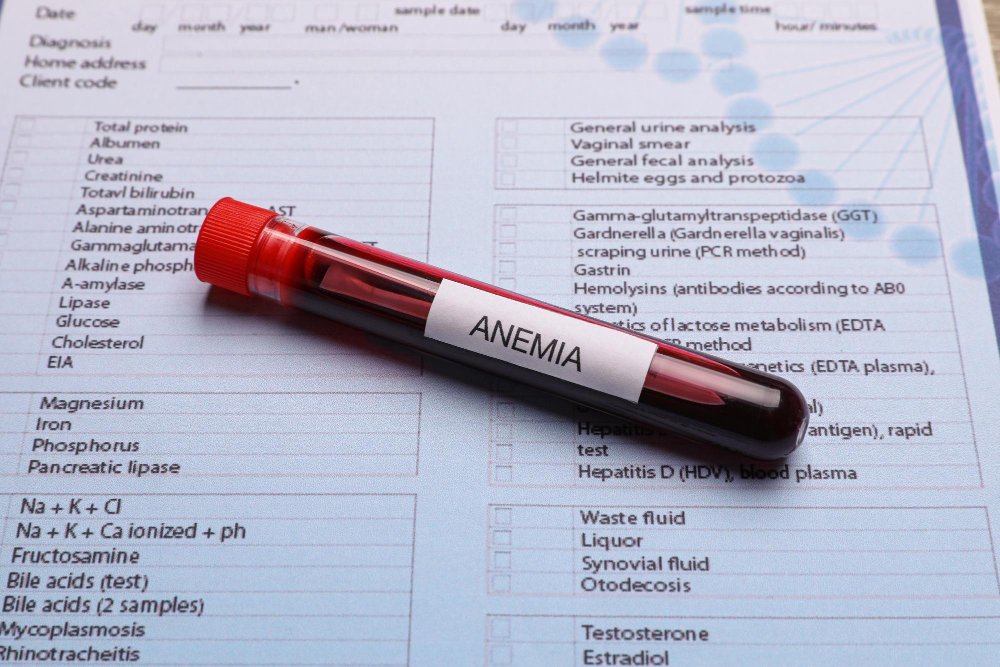
Anemia means your blood does not have enough healthy red blood cells. These cells carry oxygen to your body’s organs and tissues. When you have anemia, you may feel weak, tired, or short of breath. Sometimes, anemia can be mild and go unnoticed. However, it can also become serious if not treated.
Why Knowing the Causes Matters
Knowing the causes of anemia helps you prevent and treat it early. For example, some causes are easy to fix with diet or medicine. Others may need more care. If you ignore anemia, it can lead to heart problems, trouble thinking, or other health issues. Therefore, learning about anemia causes can protect your health and well-being.
The 3 Major Causes of Anemia
Iron Deficiency Anemia
Iron deficiency anemia is the most common type of anemia. It happens when your body does not have enough iron. Iron helps make red blood cells. Without enough iron, your body cannot make enough healthy cells.Common symptoms: Tiredness, pale skin, weakness, shortness of breath, and headaches.Who is at risk: Women who have heavy periods, pregnant women, children, and people with poor diets.How it is diagnosed: Doctors use blood tests to check your iron levels and red blood cell count.Prevention and tips: Eat iron-rich foods like lean meats, beans, and leafy greens. Sometimes, doctors may suggest iron supplements. Try to pair iron foods with vitamin C, like oranges, to help your body absorb iron better. (Source: CDC)
Vitamin Deficiency Anemia (B12 and Folate)
This type of anemia happens when your body lacks vitamin B12 or folate. Both vitamins help your body make red blood cells. Without them, your body cannot make enough healthy cells.Common symptoms: Weakness, tiredness, pale skin, numbness or tingling in hands and feet, and trouble thinking clearly.Who is at risk: Older adults, people who eat little or no animal products, and those with digestive problems.How it is diagnosed: Blood tests check your vitamin B12 and folate levels.Prevention and tips: Eat foods rich in B12 (like eggs, dairy, and fish) and folate (like leafy greens and beans). Some people may need vitamin supplements. (Source: CDC, NIH)
Chronic Disease-Related Anemia
Chronic disease anemia happens when long-term illnesses affect your body’s ability to make red blood cells. Conditions like kidney disease, cancer, or rheumatoid arthritis can cause this type.Common symptoms: Fatigue, weakness, pale skin, and shortness of breath. Symptoms may be mild at first.Who is at risk: People with long-term diseases, especially older adults.How it is diagnosed: Doctors use blood tests and review your medical history to find the cause.Prevention and tips: Manage your chronic illness with your doctor’s help. Eat a balanced diet and attend regular check-ups. (Source: WHO, CDC)
When to See a Doctor
If you feel tired all the time, look pale, or have trouble breathing, you should see a doctor. Also, if you notice fast heartbeat, chest pain, or numbness, get medical help. Early treatment can prevent serious problems. Remember, only a doctor can diagnose anemia and find its cause.
Conclusion
In summary, knowing the 3 major causes of anemia can help you stay healthy. If you have symptoms or are at risk, talk to your doctor. Consult a healthcare professional at Niramayah Mediclinic for personalized advice about anemia.