What is Acute Respiratory Distress Syndrome?
Acute respiratory distress syndrome, or ARDS, is a serious lung condition. It happens when fluid builds up in the air sacs of the lungs. Because of this, oxygen cannot get into the blood as it should. As a result, the body’s organs may not get enough oxygen. ARDS can develop quickly and often needs urgent medical care. In the United States, ARDS affects thousands of people each year. Early treatment can improve the chances of recovery.
Common Symptoms
Symptoms of ARDS can appear suddenly. However, they may also develop over a few days. It is important to know the signs so you can get help quickly. Common ARDS symptoms include:Severe shortness of breathFast, shallow breathingFeeling very tired or weakLow blood pressureConfusion or trouble thinking clearlyBlue or gray lips and fingernails
Sometimes, people may also have a cough or chest pain. If you notice these symptoms, seek medical help right away.
Main Causes and Risk Factors
ARDS is not a disease by itself. Instead, it is a reaction to another health problem. Many things can cause ARDS. Some of the main causes and risk factors include:Pneumonia or other lung infectionsSepsis, which is a severe infection in the bodyInhaling harmful substances, like smoke or chemicalsSerious injuries, such as chest traumaPancreatitis, which is swelling of the pancreasBlood transfusions
Older adults and people with weak immune systems are at higher risk. Also, having chronic health problems can increase the chance of ARDS.
How ARDS is Diagnosed
Doctors use several steps to diagnose ARDS. First, they ask about your symptoms and medical history. Next, they do a physical exam. To confirm ARDS, doctors may use:Chest X-rays or CT scans to look for fluid in the lungsBlood tests to check oxygen levelsPulse oximetry, a simple test to measure oxygen in your bloodOther tests to rule out heart problems
Because ARDS can look like other lung issues, doctors may need to do more than one test. Early diagnosis helps start treatment sooner.
Treatment Options
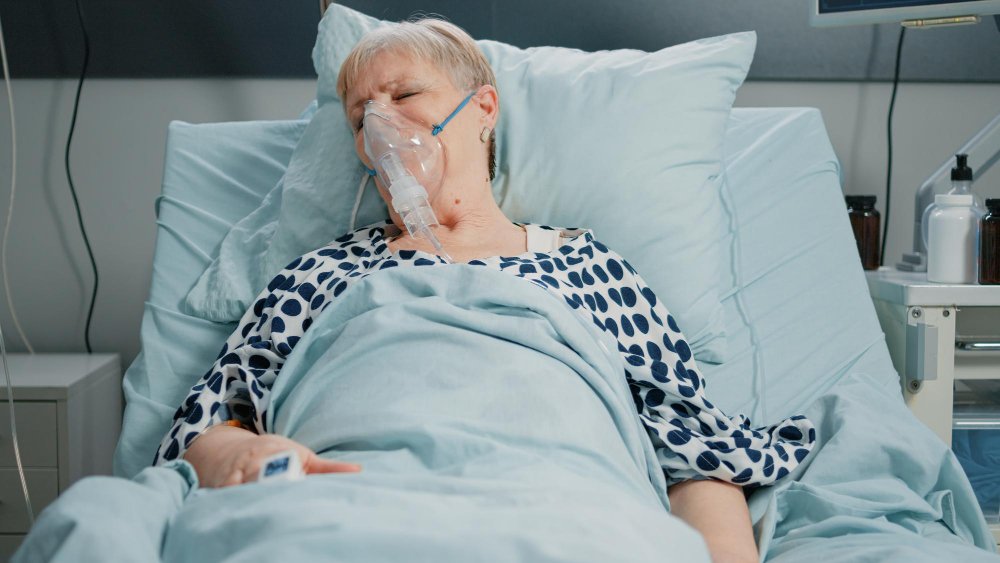
Treating ARDS usually means staying in a hospital. Often, patients need care in an intensive care unit (ICU). Treatment focuses on giving the body enough oxygen and treating the cause. Common ARDS treatments include:Oxygen therapy, often using a face mask or ventilatorFluids and medicines to support blood pressureAntibiotics if an infection is presentPain relief and sedation to help with breathingPhysical therapy to prevent muscle weakness
Sometimes, doctors use special beds or positions to help the lungs work better. Recovery can take weeks or even months, but many people do get better with proper care.
Prevention and Lifestyle Tips
While you cannot always prevent ARDS, there are steps you can take to lower your risk. For example, you can:Get vaccinated against flu and pneumoniaWash your hands often to avoid infectionsAvoid smoking and secondhand smokeWear protective gear if you work with chemicalsManage chronic health problems with your doctor’s help
After ARDS, follow your doctor’s advice for recovery. Eating healthy foods and staying active can help your lungs heal.
When to Seek Medical Help
If you or someone you know has trouble breathing, seek help right away. Especially if symptoms like severe shortness of breath, confusion, or blue lips appear, call emergency services. Early treatment can save lives. Do not wait for symptoms to get worse.
For more information or if you have concerns about ARDS, consult a healthcare professional at Niramayah Mediclinic, Mumbai for personalized advice about ARDS.