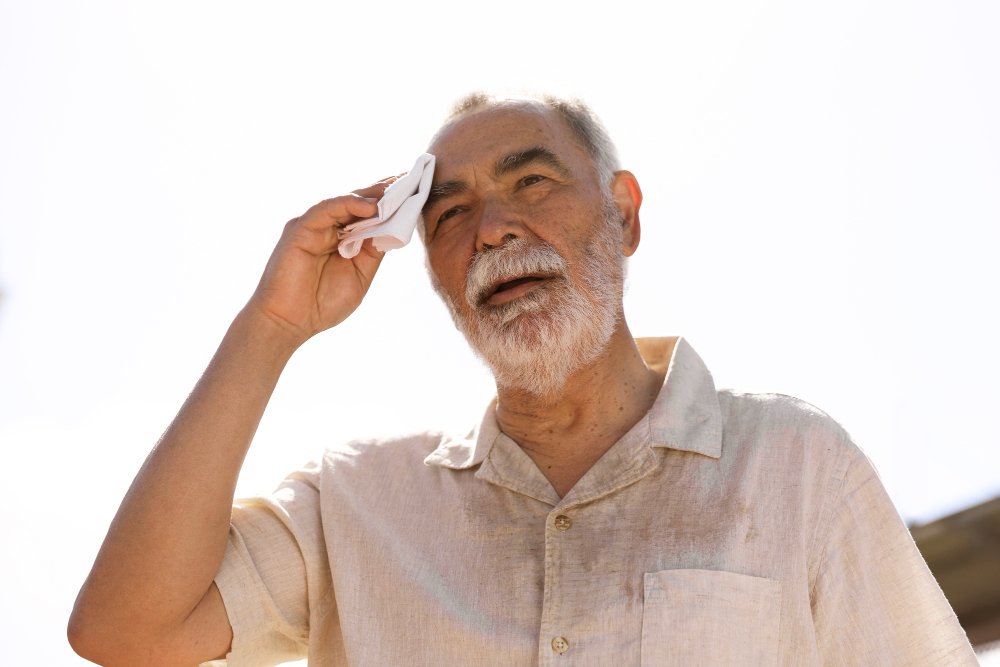
What is Heat Stroke?
Heat stroke is a serious medical emergency. It happens when your body overheats and cannot cool down. Often, this occurs during hot weather or after intense physical activity. In the United States, heat stroke is more common in summer. If not treated quickly, it can damage your brain, heart, and other organs. Therefore, knowing the signs and acting fast can save lives.
Symptoms of Heat Stroke
Recognizing heat stroke symptoms early is important. Some signs appear suddenly, while others develop over time. For example, you may notice:High body temperature (above 104°F or 40°C)Hot, dry skin or heavy sweatingConfusion or trouble speakingRapid heartbeatHeadacheDizziness or faintingNausea or vomitingMuscle cramps or weaknessSeizures
Sometimes, people may stop sweating even in the heat. This is a warning sign. If you see these symptoms, act quickly.
Causes and Risk Factors
Heat stroke often happens when your body cannot cool itself. Usually, sweating helps lower body temperature. However, in extreme heat or humidity, this system can fail. Several factors increase your risk:High outdoor temperatures, especially during heat wavesStrenuous exercise in hot weatherWearing heavy or dark clothingDehydrationAge (young children and older adults are at higher risk)Certain health conditions, like heart disease or obesitySome medications that affect sweating or hydration
Additionally, people living in cities may face higher risks due to the “urban heat island” effect.
Diagnosis of Heat Stroke
Doctors diagnose heat stroke by checking your symptoms and body temperature. They may ask about recent activities and weather exposure. Sometimes, they order blood tests to check for organ damage. For example, tests may look at kidney or liver function. Quick diagnosis is key to preventing serious problems.
Treatment Options
Immediate treatment for heat stroke can save lives. If you suspect someone has heat stroke, call emergency services right away. While waiting for help, try these steps:Move the person to a cool, shaded placeRemove extra clothingCool the body with wet cloths or a cool bathFan the person to help lower body temperatureIf alert, offer small sips of water
At the hospital, doctors may use special cooling methods. Sometimes, they give fluids through a vein. Fast action lowers the risk of lasting damage.
Prevention Tips
Preventing heat stroke is possible with simple steps. For instance, you can:Drink plenty of water, even if you are not thirstyWear light, loose-fitting clothesAvoid outdoor activities during the hottest part of the dayTake breaks in the shade or indoorsUse fans or air conditioning when possibleNever leave children or pets in parked carsCheck on older adults during heat waves
Additionally, listen to weather alerts and plan ahead during hot months.
When to Seek Medical Help
Heat stroke is a medical emergency. If you notice signs like confusion, high fever, or fainting, call 911 or your local emergency number. Do not wait for symptoms to get worse. Early treatment can prevent serious health problems or even death.
Conclusion
In summary, heat stroke is dangerous but preventable. Knowing the symptoms and acting fast can save lives. Always take steps to stay cool and hydrated in hot weather. If you suspect heat stroke, seek immediate medical attention. For personalized advice, consult a healthcare professional at Niramayah Mediclinic, Mumbai.