Introduction
Many people wonder about the diet and lifestyle impact on inflammatory bowel disease (IBD). In fact, what you eat and how you live can affect IBD symptoms. While medicine is important, daily choices also play a big role. This blog will explain how diet and lifestyle changes for inflammatory bowel disease can help you feel better. We will also share tips for managing IBD naturally and preventing flare-ups.
What is Inflammatory Bowel Disease (IBD)?
Inflammatory bowel disease, or IBD, is a group of conditions that cause swelling in the digestive tract. The two main types are Crohn’s disease and ulcerative colitis. Both can lead to pain and other problems. Although the exact cause is not clear, experts believe genes, the immune system, and the environment all play a part. According to the CDC, IBD affects millions of people worldwide.
Common Symptoms of IBD
IBD symptoms can vary from person to person. However, some signs are more common. If you have IBD, you may notice:Stomach pain or crampsFrequent diarrheaBlood in your stoolWeight lossFatigue or feeling very tiredLoss of appetite
Sometimes, symptoms can get worse suddenly. This is called a flare-up. But with the right care, many people can manage their symptoms well.
The Role of Diet in IBD
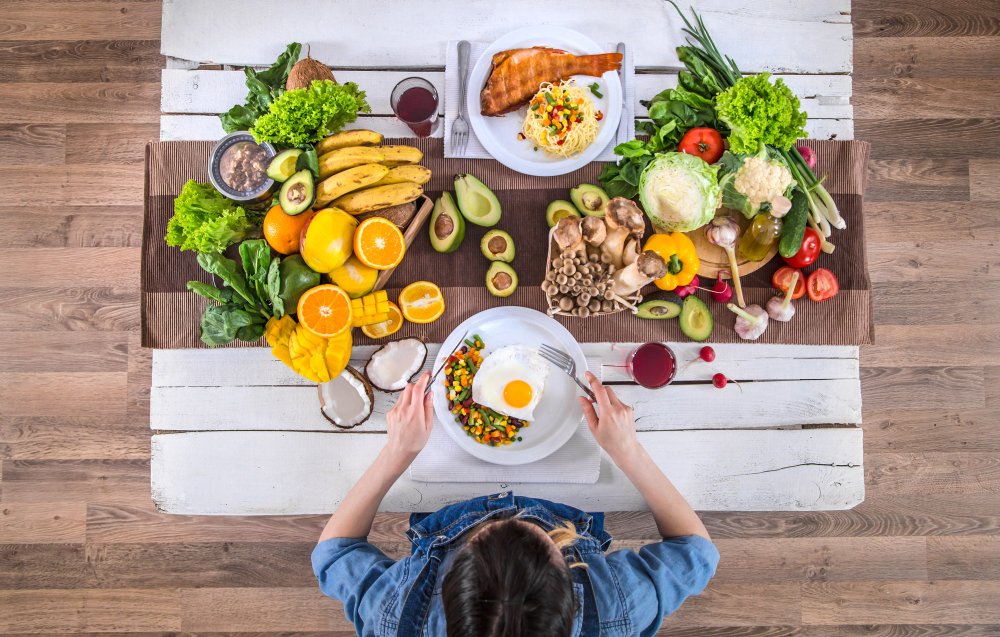
Diet and IBD are closely linked. Although no single diet cures IBD, what you eat can affect your symptoms. For example, some foods may trigger flare-ups, while others can help you feel better. Because everyone is different, it is important to find what works for you. Still, some foods are more likely to cause problems for people with IBD.
Lifestyle Factors Affecting IBD
Besides diet, lifestyle changes for inflammatory bowel disease can make a big difference. Stress, lack of sleep, and smoking may all make IBD worse. On the other hand, healthy habits can help control symptoms. For instance, regular exercise and good sleep can improve your well-being. Even small changes can have a big impact over time.
Evidence-Based Dietary Recommendations
Experts from the WHO and medical journals suggest some helpful tips for diet and IBD:Eat small, frequent meals instead of large onesStay hydrated by drinking plenty of waterChoose low-fiber foods during flare-upsLimit fatty, fried, or spicy foodsAvoid foods that cause gas, like beans and cabbageKeep a food diary to track what triggers symptoms
However, always talk to your doctor or a dietitian before making big changes. They can help you find the best plan for your needs.
Lifestyle Tips for Managing IBD
Managing IBD naturally is possible with some simple lifestyle tips. Consider these steps:Practice stress-reducing activities, such as yoga or meditationGet enough sleep each nightExercise regularly, but choose gentle activities during flare-upsAvoid smoking and limit alcoholBuild a support network of friends and family
Because everyone is different, you may need to try different strategies to see what helps most.
Prevention and Long-Term Management
Although IBD cannot be fully prevented, healthy habits can lower your risk of flare-ups. For example, following a balanced diet and making smart lifestyle choices can help. Regular check-ups with your doctor are also important. Over time, these steps can make living with IBD easier and improve your quality of life.
Conclusion
In summary, diet and lifestyle impact inflammatory bowel disease in many ways. By making healthy choices, you can manage IBD naturally and reduce symptoms. However, everyone’s needs are different. Consult a healthcare professional at Niramayah Mediclinic for personalized advice on managing inflammatory bowel disease.