Introduction
Hyperlipidemia is a condition where there are high levels of fats, like cholesterol, in your blood. Many people know it as high cholesterol. Because it often has no symptoms, it can go unnoticed for years. However, high cholesterol can raise your risk for heart disease and stroke. With good cholesterol management and by lowering lipid levels, you can protect your health. In this blog, you will learn about hyperlipidemia, its causes, symptoms, diagnosis, treatment, and ways to prevent it.
What is Hyperlipidemia?
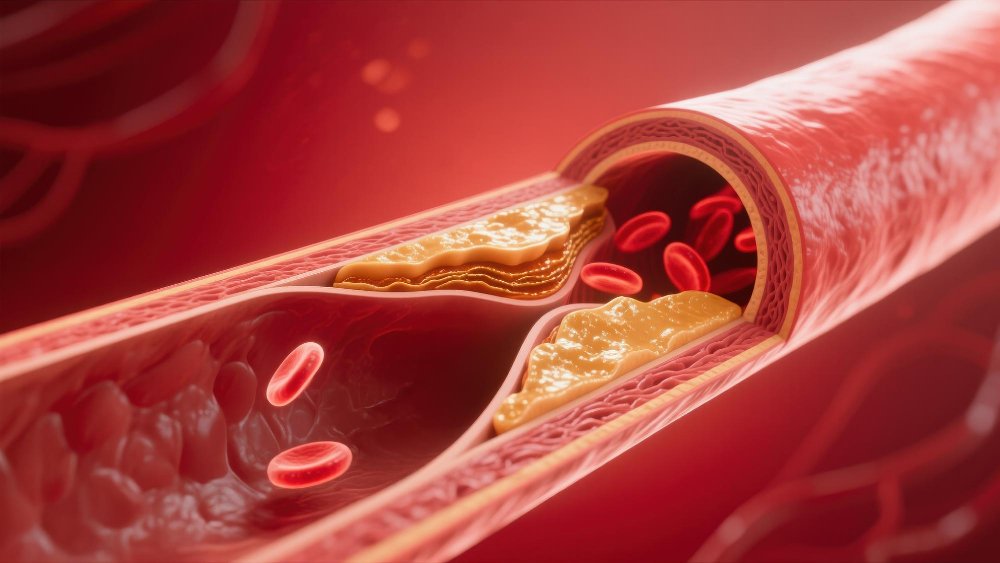
Hyperlipidemia means your blood has too many fats, mainly cholesterol and triglycerides. These fats can build up in your blood vessels. As a result, blood flow to your heart and brain can slow down. Over time, this buildup may lead to heart attacks or strokes. Although some people inherit this condition, most cases are linked to lifestyle choices. According to the CDC, millions of adults in the United States have high cholesterol.
Common Symptoms of Hyperlipidemia
Often, hyperlipidemia does not cause any symptoms. For this reason, many people do not know they have it until a blood test shows high cholesterol. However, in rare cases, you might notice:Yellowish bumps on the skin, called xanthomasWhite or gray rings around the cornea of the eyeChest pain if heart disease develops
Because symptoms are rare, regular check-ups are important. Early detection helps with better cholesterol management.
Causes and Risk Factors
Several factors can cause hyperlipidemia. Some you can control, while others you cannot. For example, your genes may play a role. But, lifestyle choices matter too. Common causes and risk factors include:Eating foods high in saturated or trans fatsLack of physical activityBeing overweight or obeseSmoking or heavy alcohol useFamily history of high cholesterolHealth conditions like diabetes or thyroid problemsOlder age
Because some risks can be changed, healthy habits are key for lowering lipid levels.
How Hyperlipidemia is Diagnosed
Doctors use a simple blood test called a lipid panel to check for hyperlipidemia. This test measures:Total cholesterolLDL (“bad” cholesterol)HDL (“good” cholesterol)Triglycerides
Usually, you need to fast for 9 to 12 hours before the test. After the results, your doctor will explain what your numbers mean. If your levels are high, you may need more tests or treatment. Regular screening is important, especially if you have risk factors.
Treatment Options for Hyperlipidemia
Treatment depends on your cholesterol levels and risk for heart disease. Often, doctors suggest lifestyle changes first. However, some people may need medicine. Common treatment options include:Eating a heart-healthy dietExercising regularlyLosing weight if neededQuitting smokingLimiting alcoholTaking cholesterol-lowering medicines, like statins, if needed
Because each person is different, your doctor will help choose the best plan for you.
Lifestyle Tips for Managing Hyperlipidemia
Making healthy choices can help lower your cholesterol. For example, you can:Eat more fruits, vegetables, and whole grainsChoose lean meats and fishUse healthy oils, like olive or canola oilExercise for at least 30 minutes most daysMaintain a healthy weightLimit foods high in sugar and salt
With these steps, you can improve your cholesterol management and lower your risk for heart problems.
Prevention Strategies
Although you cannot change your age or family history, you can take steps to prevent hyperlipidemia. Try these prevention tips:Get regular cholesterol checksFollow a balanced, low-fat dietStay active every dayAvoid tobacco and limit alcoholManage other health problems, like diabetes
Because prevention is easier than treatment, start healthy habits early. The World Health Organization also recommends regular screening and healthy living to lower your risk.
Conclusion
Hyperlipidemia is common but can be managed with the right steps. Early diagnosis, healthy habits, and, if needed, medicine can help lower your cholesterol. For the best results, consult a healthcare provider at Niramayah Mediclinic Mumbai for personalized advice on managing hyperlipidemia.