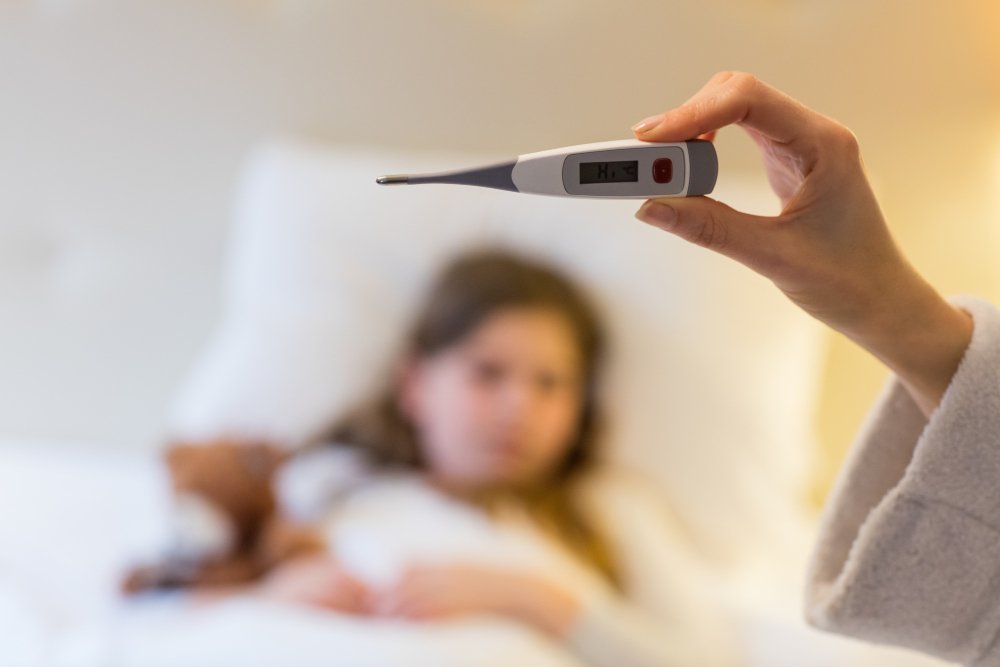
What Are Febrile Seizures?
Febrile seizures are sudden fits that happen in young children when they have a fever. Usually, these seizures occur in children between 6 months and 5 years old. While febrile seizures can be scary, most are not dangerous. According to the CDC, about 2% to 5% of children will have at least one febrile seizure. Because identifying febrile seizures early is important, parents should know what to look for.
Common Signs and Symptoms
Febrile seizures often start quickly and may last only a few minutes. However, knowing the signs of febrile seizures can help you stay calm and act fast. Look for these symptoms:Sudden shaking or jerking of arms and legsLoss of consciousness or faintingStiffness in the bodyEyes rolling backMoaning or making unusual soundsFever above 100.4°F (38°C)
Sometimes, children may also foam at the mouth or wet themselves during a seizure. But most seizures stop on their own within a few minutes.
How to Identify Febrile Seizures
It can be hard to tell if a child is having a febrile seizure, especially if it is the first time. Still, there are ways to help with identifying febrile seizures:Check if your child has a fever before or during the episodeNotice if the shaking lasts less than five minutesSee if your child is unresponsive during the eventWatch for quick recovery after the seizure ends
Even though febrile seizures are usually brief, you should stay with your child and keep them safe. For example, move objects away to prevent injury. Do not put anything in their mouth.
When to Seek Medical Help
Although most febrile seizures are not harmful, you should know when to call a doctor for febrile seizures. Seek medical help right away if:The seizure lasts longer than five minutesYour child has trouble breathing or turns blueYour child does not wake up after the seizureThis is your child’s first seizureYour child is younger than six months oldThere are repeated seizures in a short time
In addition, if you feel unsure or worried, it is always better to contact your doctor. Early care can help rule out other serious problems.
Prevention Tips and Home Care
While you cannot always prevent febrile seizures, there are steps you can take at home. Here are some tips:Monitor your child’s temperature during illnessUse fever-reducing medicine as advised by your doctorKeep your child hydrated with water or clear fluidsDress your child in light clothing to avoid overheatingNever leave your child alone during a feverAfter a seizure, let your child rest. But if you notice any unusual symptoms, call your doctor for advice.
If you suspect your child is having a febrile seizure, consult a pediatric specialist at Niramayah Mediclinic Mumbai for personalized advice.