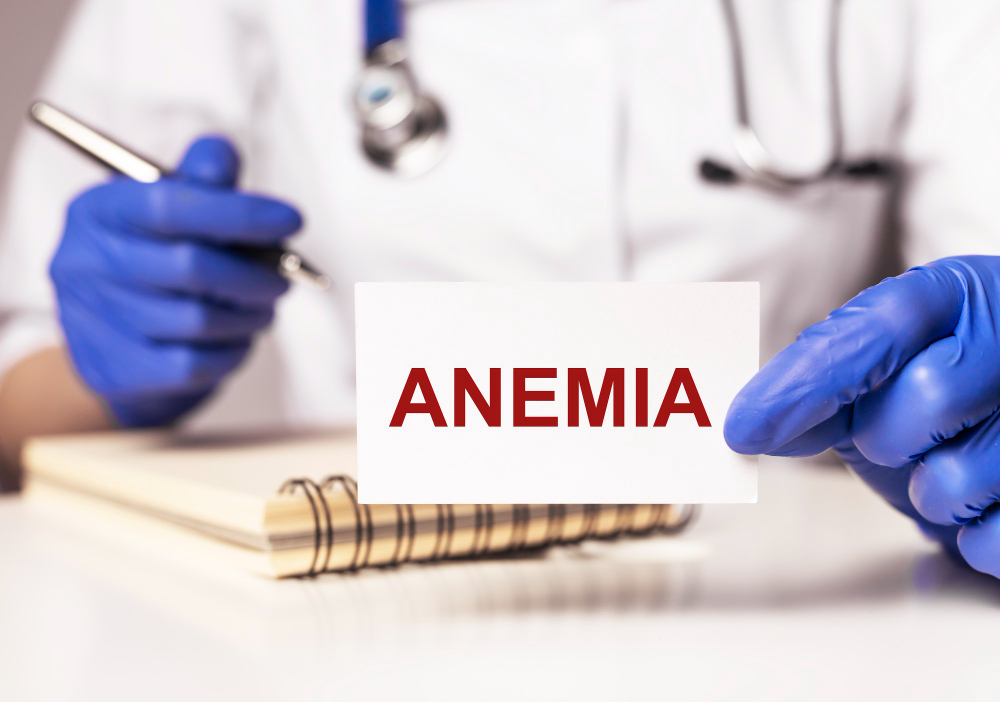
Iron deficiency anemia is a common blood condition. It happens when your body does not have enough iron to make healthy red blood cells. These cells carry oxygen to your organs and tissues. Without enough iron, you may feel tired or weak. Understanding iron deficiency anemia is important because it can affect your daily life. Early detection and treatment can help you feel better and prevent serious health problems.
What is Iron Deficiency Anemia?
Iron deficiency anemia is a type of anemia caused by low iron levels. Anemia means your blood has fewer red blood cells or less hemoglobin than normal. Hemoglobin is a protein that helps carry oxygen. When you do not have enough iron, your body cannot make enough healthy red blood cells. As a result, your organs may not get the oxygen they need. This can lead to many health issues if not treated.
Common Symptoms
Many people do not notice symptoms at first. However, as iron levels drop, signs of iron deficiency may appear. Some common symptoms include:Feeling tired or weakPale skin or pale inside the eyelidsShortness of breathFast or irregular heartbeatHeadaches or dizzinessCold hands and feetBrittle nailsCraving non-food items like ice or dirt (called pica)
Sometimes, symptoms are mild. But over time, they can get worse if not treated.
Main Causes
There are several reasons why someone might develop iron deficiency anemia. Some main causes include:Not eating enough iron-rich foods, such as red meat or leafy greensBlood loss from heavy periods or injuryStomach or bowel problems that affect how your body absorbs ironPregnancy, which increases the need for ironFrequent blood donation
In some areas, poor diet or certain health conditions can make iron deficiency more common.
How is Iron Deficiency Anemia Diagnosed?
If you have symptoms, your doctor may suggest blood tests. These tests check your red blood cell count and iron levels. Some common tests include:Complete blood count (CBC)Serum ferritin (measures stored iron)Serum iron and total iron-binding capacity (TIBC)
Sometimes, your doctor may look for the cause of blood loss or poor iron absorption. Early diagnosis helps prevent complications.
Treatment Options
Treatment for anemia depends on the cause and how severe it is. Most people can improve with simple steps. Common treatments include:Eating more iron-rich foods, such as lean meats, beans, and spinachTaking iron supplements as directed by your doctorTreating the cause of blood loss, if foundIn rare cases, getting iron through a vein (IV) or a blood transfusion
Always follow your doctor’s advice when taking iron supplements. Too much iron can be harmful.
Prevention Tips and Lifestyle Guidance
There are simple ways to lower your risk of iron deficiency anemia. You can:Eat a balanced diet with plenty of iron-rich foodsInclude foods high in vitamin C to help your body absorb ironAvoid drinking tea or coffee with meals, as they can block iron absorptionTalk to your doctor if you have heavy periods or digestive issuesTake iron supplements only if your doctor recommends them
For children, pregnant women, and older adults, regular check-ups can help catch anemia early.
When to See a Doctor
If you notice signs of iron deficiency, do not wait. See a doctor if you:Feel very tired or weak for no clear reasonHave pale skin or shortness of breathNotice rapid heartbeat or chest painHave heavy periods or ongoing blood loss
Early treatment can prevent serious health problems. Your doctor can help find the cause and suggest the best treatment for you.
In summary, iron deficiency anemia is common but treatable. If you have symptoms or concerns, consult a healthcare professional at Niramayah Mediclinic for personalized advice on iron deficiency anemia.