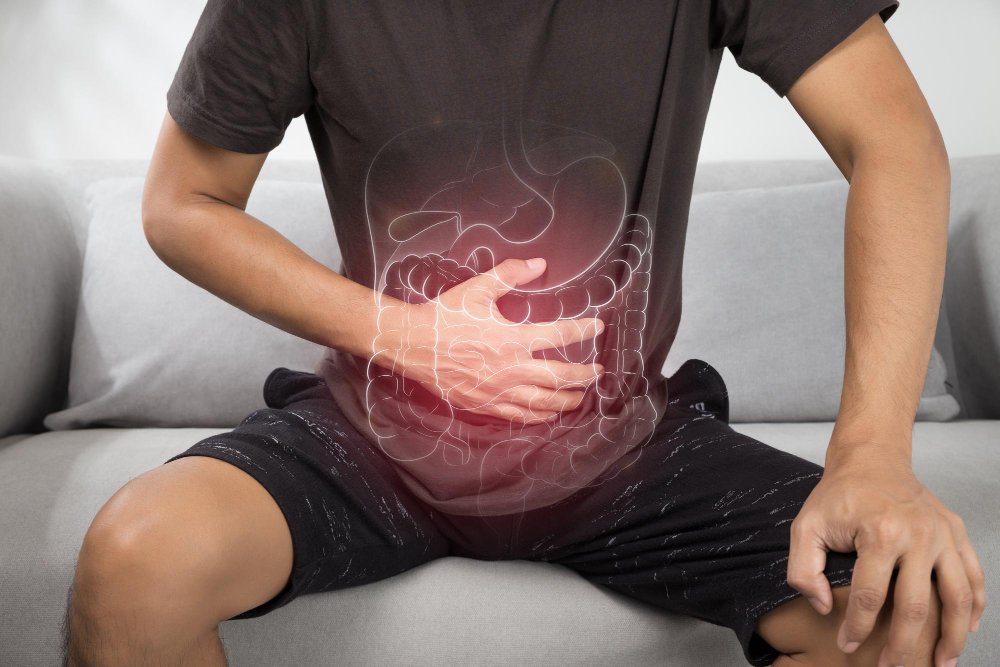
What is Irritable Bowel Syndrome (IBS)?
Irritable Bowel Syndrome (IBS) is a common digestive problem. It affects the large intestine. Many people experience stomach pain, bloating, and changes in bowel habits. Although IBS can be uncomfortable, it does not cause lasting harm to the gut. However, it can affect daily life. According to the World Health Organization (WHO), IBS is one of the most frequent reasons people visit a doctor for stomach issues.
Common Symptoms of IBS
IBS symptoms can vary from person to person. Still, some signs are more common. For example, you may notice:Stomach pain or cramps, often relieved by passing stoolBloating or swelling in the bellyDiarrhea, constipation, or bothChanges in how your stool looksFeeling like you have not finished a bowel movement
Sometimes, symptoms get worse after eating. On the other hand, some people feel better after a bowel movement. Because symptoms can come and go, it is important to track what triggers them.
Causes and Risk Factors of IBS
Doctors do not know the exact cause of IBS. However, several factors may play a role. For instance, stress, certain foods, and changes in gut bacteria can trigger IBS symptoms. Some common risk factors include:Family history of IBSStressful life eventsFood intolerances, such as to dairy or glutenInfections in the digestive tract
Although anyone can get IBS, it is more common in women and people under 50. Because triggers can differ, keeping a food and symptom diary may help identify personal causes.
How IBS is Diagnosed
Doctors diagnose IBS based on your symptoms and medical history. There is no single test for IBS. Instead, your doctor may:Ask about your symptoms and how long you have had themPerform a physical examOrder blood tests or stool tests to rule out other problemsSometimes, suggest a colonoscopy if you have warning signs like weight loss or bleeding
Because IBS shares symptoms with other conditions, it is important to see a doctor for a proper diagnosis. Early diagnosis can help you start the right treatment.
Treatment Options for IBS
IBS treatment depends on your symptoms and triggers. While there is no cure, many people find relief with the right plan. Some common IBS treatment options include:Diet changes, such as eating more fiber or avoiding trigger foodsMedications to ease pain, diarrhea, or constipationProbiotics to support gut healthStress management techniques, like deep breathing or yoga
In some cases, your doctor may suggest counseling or therapy. Because everyone is different, your treatment plan may need adjustments over time.
Lifestyle Tips for Managing IBS
Managing IBS naturally can help reduce symptoms. For example, you can:Eat smaller, more frequent mealsDrink plenty of water each dayExercise regularly to support digestionKeep a food diary to spot triggersPractice stress-relief activities, such as meditation
Because lifestyle changes can take time, be patient with yourself. Over time, you may notice fewer flare-ups.
Preventing IBS Flare-Ups
Although IBS cannot always be prevented, you can lower your risk of flare-ups. For instance, you can:Avoid foods that upset your stomach, like fatty or spicy mealsLimit caffeine and alcoholStick to a regular eating scheduleGet enough sleep each nightManage stress through hobbies or relaxation techniques
Because triggers are different for everyone, finding what works for you is key.
When to See a Doctor
Most IBS symptoms are mild. However, you should see a doctor if you notice:Unexplained weight lossBlood in your stoolSevere pain that does not go awaySymptoms that wake you up at night
Early medical advice can help rule out other health problems. In addition, your doctor can help you find the best way to manage IBS.
For personalized advice on managing IBS, consult a gastroenterologist at Niramayah Mediclinic, Mumbai. Early support can make a big difference in your quality of life.