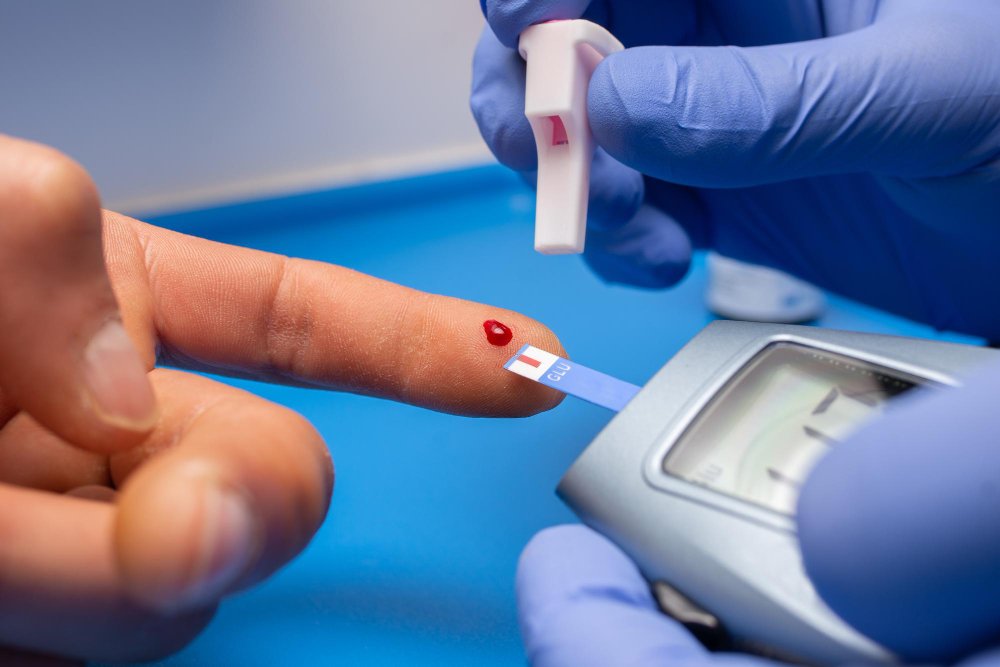
What Is Hypoglycemia?
Low blood sugar, also called hypoglycemia, happens when your blood sugar drops below normal. This condition can make you feel weak or dizzy. In fact, the major causes of low blood sugar are important for everyone to know. Many people search for reasons for hypoglycemia or want to learn about low blood sugar triggers. Internal medicine insights show that understanding these causes helps you stay safe and healthy. According to the CDC, hypoglycemia can affect anyone, not just people with diabetes.
Common Symptoms of Low Blood Sugar
Sometimes, symptoms appear quickly. Other times, they come on slowly. Either way, knowing the signs can help you act fast. Here are some common symptoms:Shakiness or tremblingSudden sweatingFeeling very hungryHeadacheFast heartbeatBlurred visionConfusion or trouble focusingIrritability or mood changesDizziness or feeling faint
However, not everyone has all these symptoms. Some people may not notice any signs until their blood sugar is very low.
Major Causes of Low Blood Sugar
There are several major causes of low blood sugar. Understanding these can help you avoid problems. Below are the most common triggers:Diabetes Medications: Insulin or other diabetes drugs can lower blood sugar too much, especially if you take too much or skip meals.Skipping Meals: Missing meals or eating less than usual can cause your blood sugar to drop.Excessive Alcohol: Drinking alcohol, especially on an empty stomach, can block your liver from releasing sugar into your blood.Intense Exercise: Hard or long workouts use up sugar quickly, which can lead to low levels.Hormonal Imbalances: Problems with hormones like insulin, cortisol, or growth hormone can affect blood sugar control.Critical Illnesses: Severe infections, liver disease, or kidney problems can lower blood sugar.Rare Metabolic Conditions: Some inherited disorders make it hard for your body to keep blood sugar steady.
According to the American Diabetes Association, these triggers are the most common reasons for hypoglycemia in both adults and children.
Who Is at Risk?
Anyone can get low blood sugar, but some people have a higher risk. For example, you may be at risk if you:Take insulin or diabetes pillsHave a history of low blood sugar episodesExercise a lot without adjusting food or medicineDrink alcohol oftenHave certain health problems, like liver or kidney diseaseAre very young or elderly
Still, even healthy people can sometimes experience hypoglycemia, especially after skipping meals or during illness.
Prevention Tips and Lifestyle Guidance
Thankfully, you can lower your risk by making simple changes. Here are some helpful tips:Eat regular meals and snacks throughout the dayMonitor your blood sugar if you have diabetesAdjust your medicine as advised by your doctorLimit alcohol and never drink on an empty stomachCarry a quick source of sugar, like glucose tablets or juiceTalk to your doctor before starting new exercise routinesStay informed about your health conditions
Moreover, keeping a diary of your symptoms and triggers can help you and your doctor find patterns.
When to Seek Medical Help
Sometimes, low blood sugar can be dangerous. You should seek medical help if you:Feel very confused or cannot wake upHave seizures or pass outCannot raise your blood sugar with food or drinkHave frequent episodes of low blood sugar
In these cases, call emergency services or go to the nearest hospital right away. Quick action can save your life.
In summary, knowing the major causes of low blood sugar helps you stay safe. For more information, visit trusted sources like the CDC or the American Diabetes Association.
Consult a healthcare professional at Niramayah Mediclinic, Mumbai for personalized advice on managing low blood sugar.