What Is Malaria?
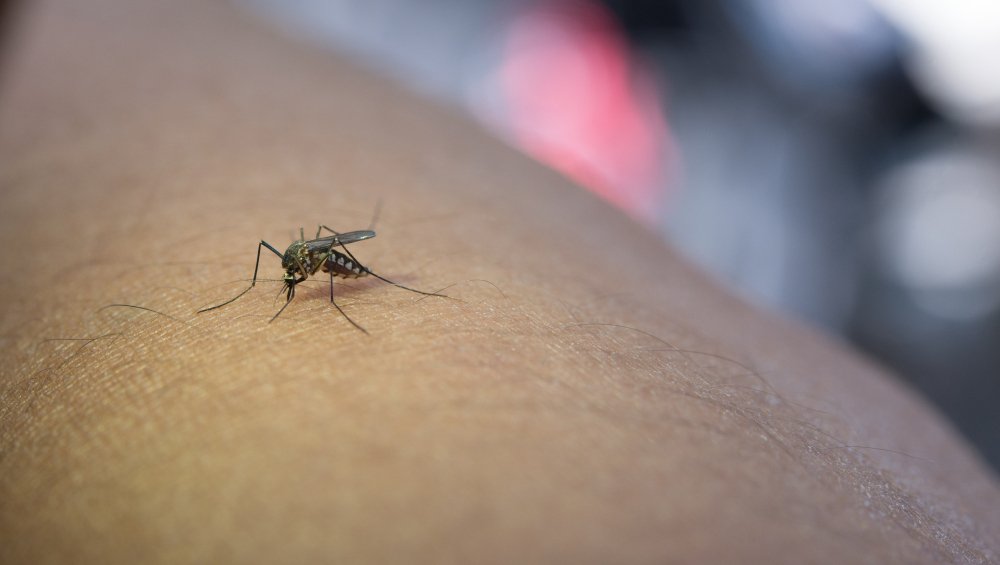
Malaria is a serious disease caused by a parasite. Mosquitoes spread this parasite when they bite people. In many parts of the world, malaria is common. However, it can be prevented and treated. Knowing malaria symptoms and early diagnosis can help save lives. According to the World Health Organization (WHO), malaria affects millions each year.
Common Symptoms of Malaria
Malaria symptoms can appear 7 to 30 days after a mosquito bite. Sometimes, symptoms show up sooner or later. Early warning signs are important to notice. Both adults and children can have similar symptoms. However, children may get sick faster.Fever and chills that come and goHeadacheMuscle aches and tirednessNausea or vomitingDiarrheaSweatingFast heartbeatCough (sometimes)
In severe cases, malaria can cause confusion, trouble breathing, or even seizures. For children, watch for poor feeding, sleepiness, or irritability. If you notice these malaria early warning signs, act quickly.
Importance of Early Diagnosis
Early diagnosis of malaria is very important. When malaria is found early, treatment works better. This can prevent serious problems like organ failure or death. In addition, early treatment helps stop the spread of malaria in your community. The Centers for Disease Control and Prevention (CDC) recommends seeking help as soon as symptoms appear.
How Malaria Is Diagnosed
Doctors use simple tests to diagnose malaria. If you have symptoms, they may ask about recent travel. Next, they will take a small blood sample. There are two main ways to test for malaria:Blood smear: A drop of blood is checked under a microscope for malaria parasites.Rapid diagnostic test: This test checks for malaria proteins in your blood and gives quick results.
Sometimes, more tests are needed to find out the type of malaria. Knowing how to diagnose malaria helps doctors choose the right treatment.
When to Seek Medical Help
If you or your child has a fever after visiting a malaria area, seek help right away. Even if you took malaria prevention medicine, you can still get sick. Other signs to watch for include:High fever that does not go awaySevere headacheConfusion or trouble waking upShortness of breathSeizures
Do not wait for symptoms to get worse. Early action can save lives.
Prevention Tips and Lifestyle Guidance
Preventing malaria is possible. Here are some simple malaria prevention tips:Use mosquito nets while sleepingWear long sleeves and pants, especially at nightApply insect repellent to skin and clothesKeep doors and windows closed or use screensRemove standing water near your homeTake malaria prevention medicine if traveling to risk areas
Additionally, teach children about mosquito safety. For families in malaria-prone areas, regular check-ups can help catch malaria early. Following these steps can lower your risk.
In summary, knowing malaria symptoms and early diagnosis can protect you and your loved ones. Consult a Physician at Niramayah Mediclinic promptly if you notice symptoms of malaria or need personalized advice.