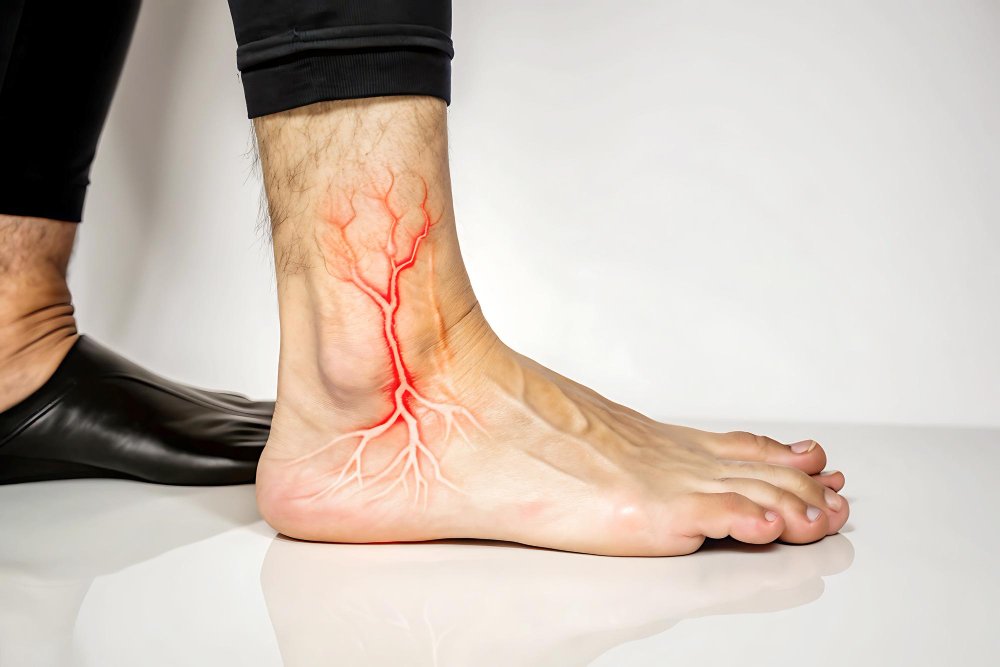
What Is Peripheral Vascular Disease?
Peripheral Vascular Disease (PVD) is a condition that affects blood vessels outside the heart and brain. In many cases, it happens when blood vessels in the legs or arms become narrow or blocked. As a result, blood flow to these areas is reduced. Often, this leads to pain or other symptoms. According to the CDC, PVD is common, especially in older adults. While it is sometimes called Peripheral Artery Disease (PAD), PVD can affect both arteries and veins. Early detection is important because it may lower the risk of serious problems like heart attack or stroke.
Common Symptoms of Peripheral Vascular Disease
Many people with Peripheral Vascular Disease do not notice symptoms at first. However, as the disease progresses, signs may become more obvious. For example, you may feel pain or cramping in your legs while walking. This pain often goes away with rest. Other symptoms can include:Leg numbness or weaknessColdness in the lower leg or footSores on toes, feet, or legs that heal slowlyChange in leg color or shiny skinHair loss on legs or feetWeak pulse in the legs or feet
Sometimes, people may also notice slow-growing toenails. If you have these symptoms, it is important to talk with your doctor.
Causes and Risk Factors
Peripheral Vascular Disease usually happens when fatty deposits build up in the blood vessels. This buildup is called atherosclerosis. Over time, it makes the vessels narrow and hard. As a result, blood cannot flow as easily. Several risk factors increase the chance of developing PVD. For instance, you may be at higher risk if you:Smoke or use tobaccoHave diabetesHave high blood pressureHave high cholesterolAre over age 50Have a family history of heart or blood vessel disease
Additionally, people who are overweight or inactive are more likely to develop PVD. Making healthy choices can help lower your risk.
How Peripheral Vascular Disease Is Diagnosed
Doctors use several methods to diagnose Peripheral Vascular Disease. First, they may ask about your symptoms and medical history. Next, they will perform a physical exam. During the exam, your doctor may check the pulse in your legs and feet. In many cases, simple tests help confirm the diagnosis. These tests may include:Ankle-brachial index (ABI), which compares blood pressure in your ankle and armUltrasound to look at blood flow in your legsBlood tests to check for diabetes or high cholesterolImaging tests, such as CT or MRI angiography, to view blood vessels
Early diagnosis is important because it can prevent serious complications. If you notice symptoms, seek medical advice promptly.
Treatment Options
Treatment for Peripheral Vascular Disease aims to improve blood flow and reduce symptoms. Your doctor will suggest the best plan based on your health and how severe your PVD is. Common treatment options include:Lifestyle changes, such as quitting smoking and eating a healthy dietExercise programs to improve leg strength and blood flowMedicines to lower blood pressure, cholesterol, or blood sugarBlood thinners to prevent clotsProcedures like angioplasty or surgery to open blocked vessels if needed
In many cases, a combination of these treatments works best. Regular follow-up with your doctor is important for managing PVD.
Lifestyle Tips for Managing Peripheral Vascular Disease
Living with Peripheral Vascular Disease can be challenging. However, making healthy changes can help control symptoms and improve your quality of life. For example, you can:Stop smoking to slow disease progressionWalk or exercise regularly, as advised by your doctorEat foods low in saturated fat and saltKeep your blood sugar, cholesterol, and blood pressure in checkCheck your feet daily for sores or changesWear comfortable shoes to protect your feet
With these steps, you may notice less pain and better movement. Always talk to your healthcare provider before starting new activities.
Prevention Strategies
Preventing Peripheral Vascular Disease is possible for many people. While some risk factors, like age or family history, cannot be changed, others can. To lower your risk, try these prevention strategies:Do not smoke or use tobacco productsStay active by walking or exercising most daysEat a balanced diet rich in fruits and vegetablesMaintain a healthy weightManage health conditions like diabetes, high blood pressure, and high cholesterolSee your doctor for regular checkups
By taking these steps, you can protect your blood vessels and lower your risk of PVD. Trusted sources like the CDC and WHO recommend these actions for better vascular health.