What is Portal Hypertension?
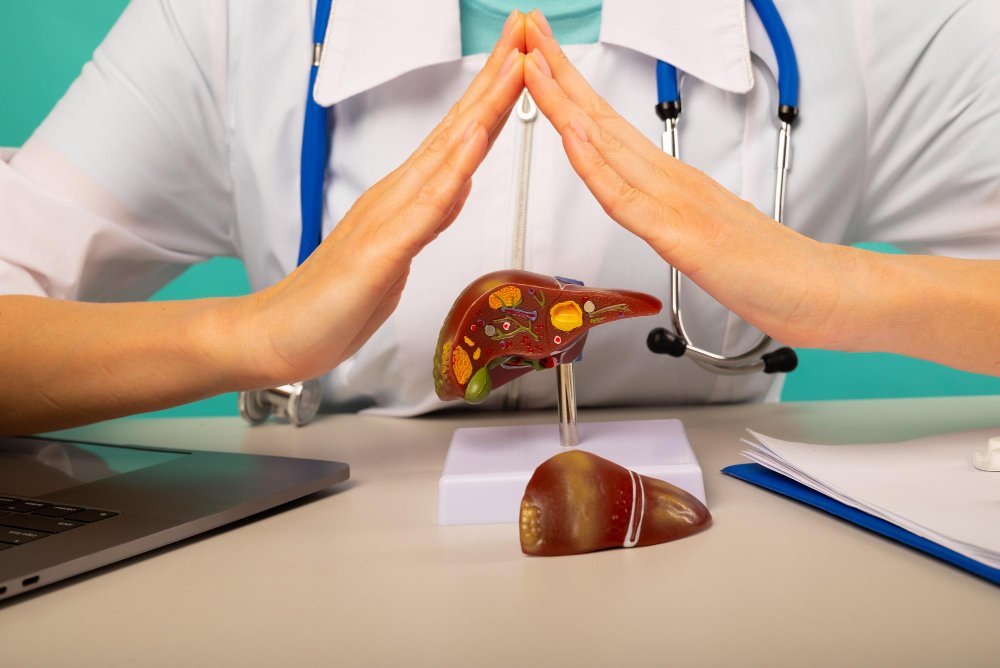
Portal hypertension is a condition where the blood pressure in the portal vein becomes too high. The portal vein carries blood from the stomach, intestines, and spleen to the liver. When this pressure rises, it can cause serious health problems. For example, it may lead to swelling, bleeding, or liver damage. According to the World Health Organization, portal hypertension is often linked to liver disease. Early detection is important for better outcomes.
Common Causes of Portal Hypertension
There are several reasons why portal hypertension can develop. Most often, it happens because of liver problems. However, other causes are possible too. Here are the main causes:Cirrhosis: Scarring of the liver, often due to hepatitis or alcohol useBlood clots: Blockages in the portal vein or nearby veinsInfections: Some infections can damage the liver or veinsCongenital issues: Rare birth defects affecting the liver or veins
In addition, some rare diseases can also cause portal hypertension. The Centers for Disease Control and Prevention (CDC) notes that cirrhosis is the most common cause worldwide.
Key Symptoms to Watch For
Portal hypertension may not cause symptoms at first. But as the condition gets worse, signs often appear. It is important to watch for these symptoms:Swelling in the belly (ascites)Enlarged veins in the stomach or esophagus (varices)Bleeding from the mouth or rectumYellow skin or eyes (jaundice)Confusion or trouble thinking (hepatic encephalopathy)Easy bruising or bleeding
Sometimes, people may feel tired or weak. If you notice any of these symptoms, you should talk to a doctor right away.
How is Portal Hypertension Diagnosed?
Doctors use several tests to diagnose portal hypertension. First, they will ask about your symptoms and medical history. Next, they may do a physical exam. After that, they often order tests such as:Blood tests to check liver functionUltrasound to look at the liver and veinsCT or MRI scans for detailed imagesEndoscopy to check for enlarged veins in the esophagus or stomach
Sometimes, doctors measure the pressure in the portal vein directly. This helps confirm the diagnosis. Early diagnosis can help prevent serious problems.
Treatment Options for Portal Hypertension
Treatment for portal hypertension depends on the cause and symptoms. The main goals are to lower the pressure and prevent complications. Here are some common treatments:Medications: Drugs like beta-blockers can lower blood pressure in the portal veinEndoscopic therapy: Doctors use special tools to treat bleeding veinsDraining fluid: Removing extra fluid from the belly if swelling is severeSurgery: In some cases, a procedure called TIPS (transjugular intrahepatic portosystemic shunt) is neededLiver transplant: For severe liver damage, a transplant may be the best option
Doctors will choose the best treatment based on your health and needs. According to medical journals, early treatment can improve quality of life.
Lifestyle Tips and Prevention
While you cannot always prevent portal hypertension, healthy habits can help. For example, you can:Avoid alcohol to protect your liverEat a balanced diet low in saltGet vaccinated for hepatitis A and BMaintain a healthy weightTake medicines only as prescribed
In addition, regular check-ups can catch problems early. The CDC recommends these steps for anyone at risk of liver disease.
When to See a Doctor
If you have symptoms like swelling, bleeding, or yellow skin, see a doctor right away. Early treatment can prevent serious problems. Even if you feel fine, regular check-ups are important if you have liver disease or risk factors. Remember, your doctor can help you manage portal hypertension and stay healthy.
Consult a gastroenterologist at Niramayah Mediclinic, Mumbai, for personalized advice on portal hypertension.