Introduction
Sinusitis is a common health problem that affects millions of people each year. It happens when the tissue lining the sinuses becomes swollen or inflamed. Because sinusitis can cause pain and discomfort, it often disrupts daily life. Many people search for answers about sinus infection symptoms, chronic sinusitis treatment, and how to prevent sinusitis. In this blog, you will learn about sinusitis, its causes, symptoms, diagnosis, treatment, and prevention tips.
What is Sinusitis?
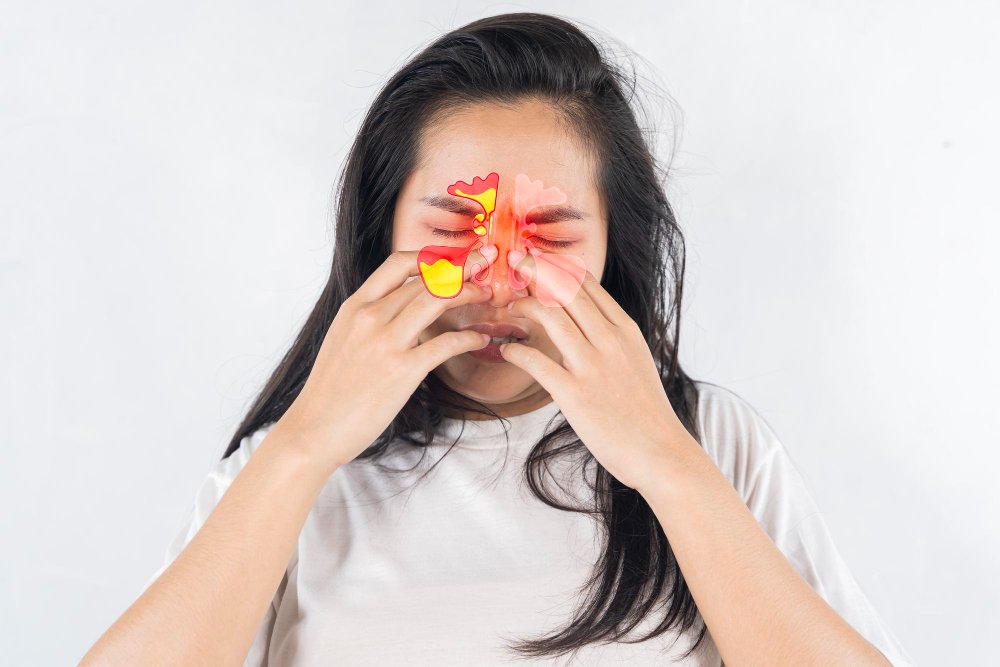
Sinusitis means the sinuses are inflamed. Sinuses are small, air-filled spaces behind your forehead, cheeks, and eyes. When these spaces get blocked or infected, you may feel pressure or pain. Sometimes, sinusitis is called a sinus infection. It can be short-term (acute) or last for weeks (chronic). According to the CDC, sinusitis is one of the most common reasons people visit a doctor.
Common Causes of Sinusitis
Several things can lead to sinusitis. Often, a cold or allergy triggers it. However, other causes are possible too. Below are the most common causes:Viral infections, such as the common coldBacterial infections that follow a coldAllergies, like hay feverNasal polyps (small growths in the nose)Deviated septum (crooked nasal wall)Fungal infections, though rareExposure to smoke or pollution
Because these causes can overlap, it is important to know your triggers.
Recognizing Symptoms of Sinusitis
Sinusitis symptoms can feel like a cold, but they last longer. Early treatment helps prevent problems. Watch for these common sinus infection symptoms:Stuffy or blocked noseThick yellow or green nasal dischargePain or pressure in the face, especially around the eyes or cheeksHeadache, often worse when bending overLoss of smell or tasteCough, which may get worse at nightFever (sometimes)Bad breathFatigue or feeling tired
If symptoms last more than 10 days or keep coming back, you may have chronic sinusitis.
How Sinusitis is Diagnosed
Doctors use several steps to diagnose sinusitis. First, they ask about your symptoms and medical history. Next, they may check your nose and face. Sometimes, a doctor will gently press on your sinuses to check for pain. In some cases, they may use a small lighted tool to look inside your nose. If symptoms are severe or do not improve, your doctor may order tests, such as:Imaging tests like a CT scan to view the sinusesNasal endoscopy, where a thin tube with a camera checks inside the noseLab tests of nasal discharge to find the cause
Because sinusitis can look like other problems, these tests help confirm the diagnosis.
Treatment Options for Sinusitis
Treatment depends on the cause and how long symptoms last. For most people, sinusitis gets better on its own. However, some may need extra care. Here are common treatment options:Rest and drink plenty of fluidsUse saline nasal sprays to keep the nose moistApply warm compresses to the face for reliefTake over-the-counter pain relievers, like acetaminophen or ibuprofenUse decongestants for a short time (as advised by your doctor)For bacterial sinusitis, your doctor may prescribe antibioticsFor allergies, antihistamines or nasal steroid sprays may helpIn rare cases, surgery may be needed for chronic sinusitis or nasal polyps
Always follow your doctor’s advice and do not use antibiotics unless prescribed.
Prevention Tips for Sinusitis
Preventing sinusitis is possible with a few simple steps. Because prevention is better than cure, try these tips:Wash your hands often to avoid infectionsAvoid close contact with people who have coldsKeep your home clean and dust-freeUse a humidifier to keep air moist, especially in dry weatherStay away from smoke and strong fumesManage allergies with your doctor’s helpDrink enough water every day
Because these habits lower your risk, they help keep your sinuses healthy.
Lifestyle Guidance for Managing Sinusitis
Living with sinusitis can be tough, but small changes help. For example, try to rest when symptoms flare up. Also, keep your head raised while sleeping to ease pressure. Breathing in steam from a bowl of hot water may help clear your nose. Avoid sudden changes in temperature, as they can trigger symptoms. If you have allergies, follow your treatment plan closely. Because stress can make symptoms worse, practice relaxation techniques like deep breathing. Finally, keep track of your symptoms and share them with your doctor.
Conclusion
Sinusitis can affect your comfort and daily life. However, with the right care and prevention, you can manage it well. If you have symptoms of sinusitis, consult an ENT specialist at Niramayah Mediclinic, Mumbai, for personalized advice.
Sources: Centers for Disease Control and Prevention (CDC), World Health Organization (WHO), PubMed