What is Hypoglycemia?
Hypoglycemia means your blood sugar level is lower than normal. Usually, blood sugar gives your body energy. When it drops too low, your body cannot work well. For most people, hypoglycemia happens when blood sugar falls below 70 mg/dL. However, some people may feel symptoms at higher levels. Hypoglycemia is common in people with diabetes, but it can affect others too. Knowing about hypoglycemia helps you stay safe and healthy.
Common Symptoms of Hypoglycemia
Recognizing low blood sugar symptoms is important. Early signs can help you act quickly. For example, you may notice:Shakiness or tremblingFeeling hungry suddenlySweating more than usualFast heartbeatDizziness or lightheadednessHeadacheFeeling anxious or nervousWeakness or tirednessBlurred visionConfusion or trouble focusing
Sometimes, symptoms can get worse. For instance, you might faint or have a seizure. Therefore, it is important to treat hypoglycemia right away.
Causes and Risk Factors
Many things can cause hypoglycemia. Most often, it happens in people with diabetes who take insulin or certain pills. However, other causes include:Skipping meals or eating less than usualExercising more than normalDrinking alcohol, especially without foodCertain illnesses or hormone problemsSome medicines not related to diabetes
Additionally, some people are more at risk. For example, children, older adults, and people with kidney or liver problems may have a higher chance of low blood sugar. Knowing the causes of hypoglycemia helps you prevent it.
How Hypoglycemia is Diagnosed
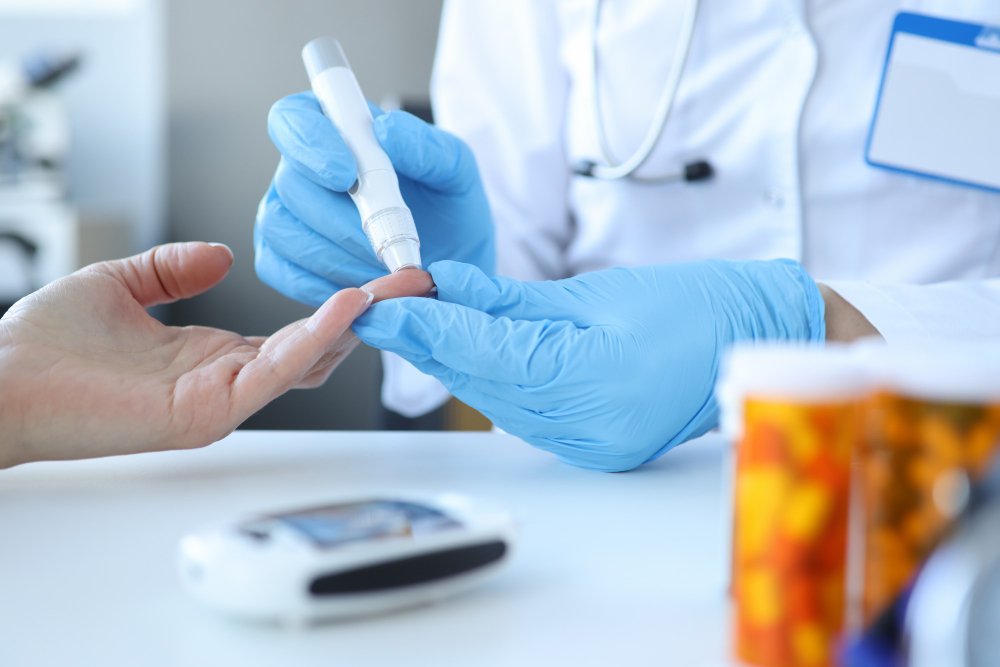
Doctors use a few steps to diagnose hypoglycemia. First, they ask about your symptoms and medical history. Next, they may check your blood sugar with a finger-prick test. Sometimes, you may need a blood test at a clinic or hospital. If your blood sugar is low and you have symptoms, you likely have hypoglycemia. In some cases, doctors may do more tests to find the cause. For example, they might check your hormone levels or look for other health problems.
Treatment Options
If you have hypoglycemia, quick action is important. Here are steps you can take:Eat or drink 15 grams of fast-acting sugar. For example, drink half a cup of juice or regular soda, or eat glucose tablets.Wait 15 minutes, then check your blood sugar again.If it is still low, repeat the steps above.Once your blood sugar is normal, eat a small snack if your next meal is more than an hour away.
Sometimes, severe hypoglycemia needs emergency care. For instance, if a person cannot swallow or is unconscious, someone should call emergency services right away. In some cases, a glucagon injection may be needed. Always follow your doctor’s advice for how to treat hypoglycemia.
Lifestyle Tips and Prevention
Preventing hypoglycemia is possible with a few simple steps. For example, you can:Eat regular meals and snacksMonitor your blood sugar as your doctor suggestsCarry a quick source of sugar, like glucose tablets, at all timesAdjust your insulin or medicine if you plan to exercise moreAvoid skipping mealsLimit alcohol and always eat when you drink
Additionally, talk to your doctor about your risk factors. They can help you make a plan to prevent low blood sugar. For more tips on preventing hypoglycemia, ask your healthcare team.
When to Seek Medical Help
Sometimes, hypoglycemia can be dangerous. You should seek medical help if:Your symptoms do not improve after eating sugarYou faint, have a seizure, or cannot wake upYou have frequent episodes of low blood sugarYou are unsure why you are having symptoms
In summary, do not wait if you feel very unwell. Quick treatment can prevent serious problems. If you experience symptoms of hypoglycemia, consult a healthcare professional at Niramayah Mediclinic Mumbai for personalized advice.