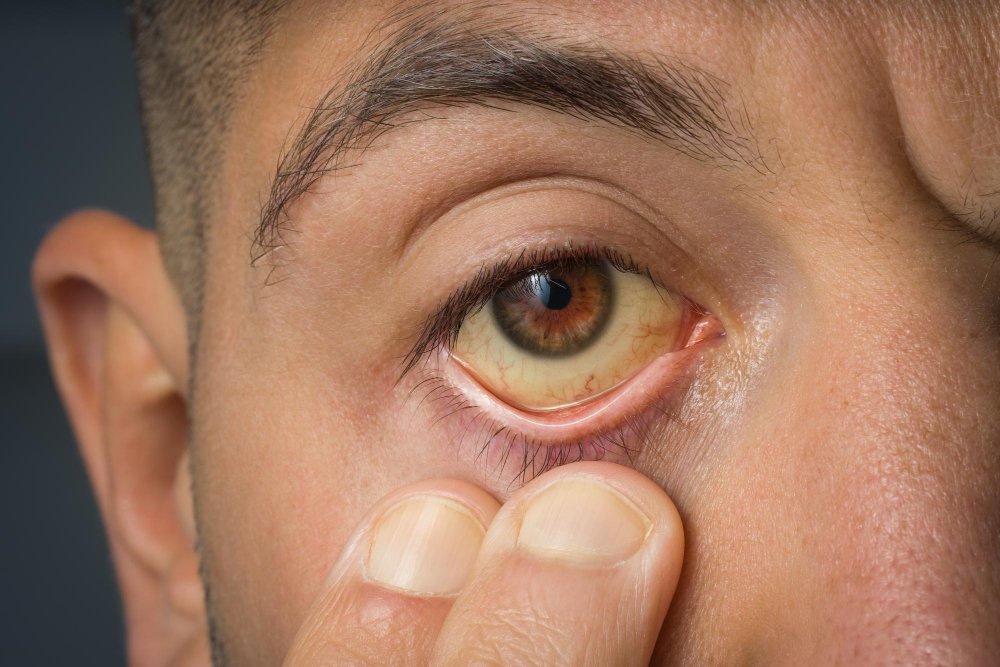
Jaundice is a common health condition that causes yellowing of the skin and eyes. It can affect people of all ages, from newborns to adults. Because jaundice may signal a problem with the liver or other organs, it is important to understand its symptoms, causes, diagnosis, treatment, and prevention. Early recognition and care can help keep you and your loved ones healthy.
What is Jaundice?
Jaundice happens when there is too much bilirubin in the blood. Bilirubin is a yellow substance made when red blood cells break down. Usually, the liver removes bilirubin from the body. However, if the liver cannot do this well, bilirubin builds up. As a result, the skin and eyes turn yellow. Jaundice itself is not a disease, but it is a sign that something may be wrong in the body.
Symptoms of Jaundice
Jaundice symptoms can be easy to spot. However, some people may have mild signs. Watch for these common symptoms:Yellowing of the skin and the whites of the eyesDark-colored urinePale or light-colored stoolsItchy skinTiredness or weaknessAbdominal pain or swellingLoss of appetiteNausea or vomiting
Sometimes, especially in newborns, jaundice may be mild and go away on its own. But in adults, it often means there is a health issue that needs attention.
Causes of Jaundice
There are many causes of jaundice. In adults, the most common causes include:Liver diseases, such as hepatitis or cirrhosisGallstones blocking the bile ductsAlcohol-related liver damageCertain medicines that harm the liverBlood disorders that break down red blood cells quickly
In children and newborns, jaundice may be caused by:Immature liver (especially in newborns)Blood type differences between mother and babyInfectionsGenetic conditions
Because the causes can vary, it is important to find out why jaundice has developed.
How is Jaundice Diagnosed?
Doctors use several steps to diagnose jaundice. First, they will ask about your symptoms and medical history. Next, they will do a physical exam. Often, they will order tests to find the cause. These may include:Blood tests to check liver function and bilirubin levelsUrine tests to look for signs of liver problemsImaging tests, such as ultrasound or CT scan, to view the liver and bile ductsSometimes, a liver biopsy if more information is needed
Early diagnosis can help doctors choose the best treatment for you.
Treatment Options for Jaundice
Treatment for jaundice depends on the cause. For example, if an infection is present, doctors may give medicines to treat it. If gallstones are blocking the bile ducts, surgery may be needed. In some cases, stopping certain medicines can help. For newborns, mild jaundice often goes away on its own. However, some babies may need special light therapy, called phototherapy, to lower bilirubin levels.
It is important to seek medical help if you notice jaundice symptoms. Quick treatment can prevent serious problems.
Prevention and Lifestyle Tips
While not all cases of jaundice can be prevented, you can lower your risk with healthy habits. Here are some tips:Eat a balanced diet rich in fruits and vegetablesAvoid excessive alcohol usePractice good hygiene to prevent infectionsGet vaccinated for hepatitis A and BUse medicines only as directed by your doctorSee your doctor for regular check-ups
These steps can help keep your liver healthy and reduce your risk of jaundice.
When to See a Doctor
Sometimes, jaundice can be a sign of a serious health problem. You should see a doctor right away if you notice:Yellowing of the skin or eyesSevere abdominal pain or swellingHigh fever and chillsConfusion or drowsinessVomiting that does not stop
Early care can help prevent complications and improve your health.
Frequently Asked Questions about Jaundice
Can jaundice go away on its own?
In some newborns, mild jaundice can clear up without treatment. However, in adults, jaundice usually needs medical care to find and treat the cause.
Is jaundice contagious?
Jaundice itself is not contagious. However, some infections that cause jaundice, like hepatitis, can spread from person to person.
How long does jaundice last?
The length of jaundice depends on the cause. With proper treatment, many people recover in a few weeks. Some conditions may take longer to heal.
Can diet help with jaundice?
Eating a healthy diet supports liver health. However, diet alone cannot cure jaundice. Medical treatment is often needed.
What tests are used for the diagnosis of jaundice?
Doctors use blood tests, urine tests, and imaging scans to diagnose jaundice and find its cause.
If you or someone you know shows signs of jaundice, consult at Niramayah Mediclinic Mumbai for personalized advice.