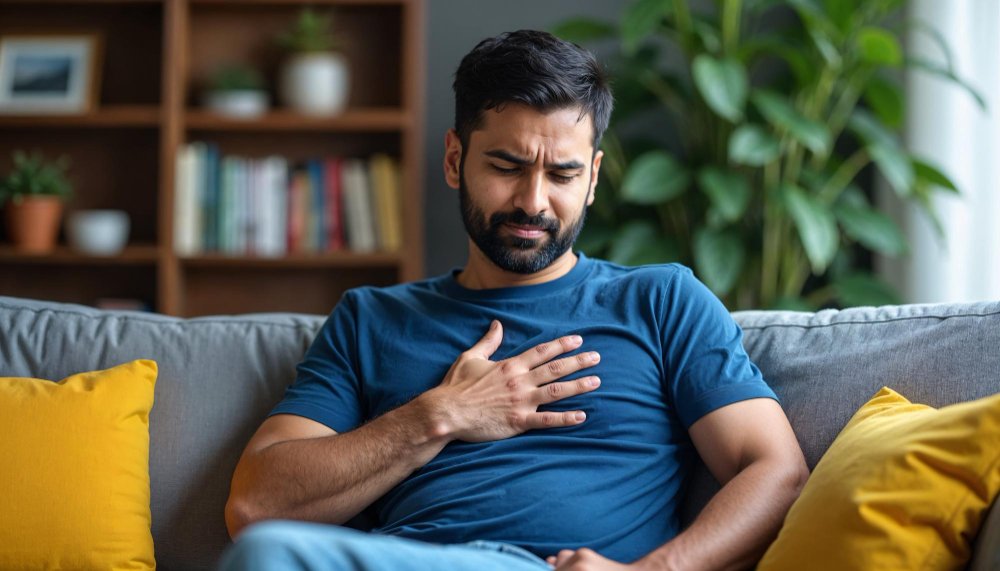
What Are Palpitations?
Palpitations – heart or anxiety – are feelings that your heart is beating fast, hard, or skipping beats. Sometimes, you may notice your heart fluttering or pounding in your chest. For many people, palpitations are harmless. However, they can feel scary, especially if you do not know the cause. Often, palpitations last only a few seconds. But in some cases, they may last longer or happen often.
Common Symptoms of Palpitations
Palpitations can feel different for each person. Still, some common symptoms include:A racing or pounding heartbeatFluttering in your chestSkipped or extra heartbeatsFeeling like your heart is flip-floppingAwareness of your heartbeat, even at rest
Sometimes, you may also feel dizzy, short of breath, or anxious. Yet, these symptoms do not always mean something serious is wrong.
Heart-Related Causes of Palpitations
There are several heart-related causes of palpitations. For example, some people have irregular heart rhythms, called arrhythmias. Others may have heart valve problems. In addition, certain heart conditions can make your heart beat faster or harder than normal. Common heart-related causes include:Arrhythmias (irregular heartbeats)Heart valve diseaseCoronary artery diseaseHeart failurePrevious heart attack
If you have a history of heart disease, it is important to take palpitations seriously. According to the American Heart Association, heart palpitations can sometimes signal a more serious problem.
Anxiety and Palpitations: How Are They Linked?
On the other hand, anxiety is a very common cause of palpitations. When you feel stressed or anxious, your body releases stress hormones. As a result, your heart may beat faster or harder. This is part of the “fight or flight” response. In fact, many people with anxiety notice palpitations during panic attacks or stressful moments. Other anxiety symptoms may include sweating, shaking, or feeling short of breath.
How to Tell the Difference: Heart vs. Anxiety Palpitations
It can be hard to know if palpitations are from your heart or anxiety. However, there are some clues that can help. For instance, palpitations from anxiety often happen during stress or worry. They may come and go quickly. In contrast, heart-related palpitations may not be linked to stress. They can happen at any time, even when you are calm. Look for these signs:Anxiety palpitations often start with worry or panicHeart palpitations may come with chest pain or faintingPalpitations that last a long time or get worse need attention
Still, only a doctor can tell for sure. If you are unsure, it is best to seek medical advice.
Diagnosis: When to See a Doctor
Sometimes, palpitations are harmless. But you should see a doctor if you notice:Chest pain or pressureShortness of breathFainting or feeling very dizzyPalpitations that last more than a few minutesA history of heart disease
Additionally, if palpitations happen often or disrupt your daily life, talk to your doctor. They may do tests like an ECG or blood tests to find the cause. The CDC recommends seeking care if you have any warning signs.
Treatment and Lifestyle Tips
Treatment depends on the cause of your palpitations. If anxiety is the cause, relaxation techniques can help. For heart-related causes, your doctor may suggest medicines or other treatments. Here are some tips that may help:Practice deep breathing or meditationLimit caffeine and alcoholGet enough sleepStay active with regular exerciseFollow your doctor’s advice for any heart conditions
Sometimes, making small changes can reduce palpitations.
Prevention and Self-Care Strategies
There are ways to prevent palpitations or make them less likely. For example, you can:Manage stress with healthy habitsAvoid triggers like caffeine or tobaccoEat a balanced dietStay hydratedKeep a diary of when palpitations happen
By tracking your symptoms, you and your doctor can find patterns and possible causes.
Frequently Asked Questions (FAQs)
Are palpitations always a sign of heart disease?Not always. Many times, they are caused by anxiety, stress, or harmless triggers.Can anxiety cause heart palpitations?Yes, anxiety is a common cause of palpitations. Stress hormones can make your heart beat faster.When should I worry about palpitations?If you have chest pain, fainting, or a history of heart disease, seek medical help right away.How are palpitations diagnosed?Your doctor may use an ECG, blood tests, or a heart monitor to find the cause.Can lifestyle changes help?Yes, healthy habits like reducing stress and avoiding caffeine can help prevent palpitations.
Conclusion and Call-to-Action
In summary, palpitations—whether caused by heart issues or anxiety—can be concerning but are often harmless. It’s important to recognize when medical attention is needed. If you experience palpitations or have any concerns, consult a healthcare professional at Niramayah Mediclinic for personalized advice today.