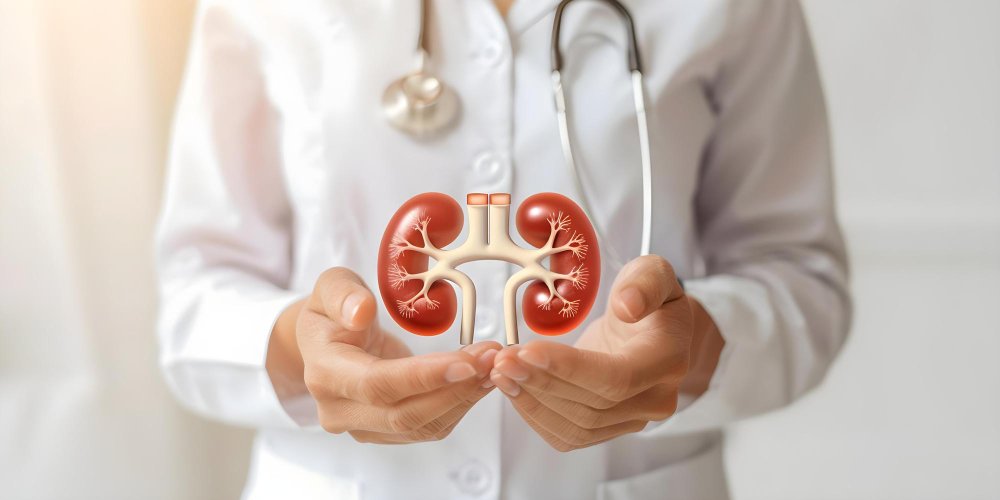
What is Acute Kidney Disease?
Acute Kidney Disease, also called acute kidney injury, happens when your kidneys stop working well for a short time. Usually, this problem develops quickly, often within a few hours or days. Because the kidneys help remove waste and balance fluids, any sudden change can be serious. In the United States, acute kidney disease is a common reason for hospital stays. According to the CDC, this condition can affect people of all ages. However, it is more common in older adults or those with other health problems. Early treatment can help restore kidney function and prevent lasting damage.
Common Symptoms
Sometimes, acute kidney disease does not cause clear signs at first. Yet, you may notice some symptoms as the problem gets worse. For example, watch for these signs of kidney problems:Less urine than usualSwelling in your legs, ankles, or feetFeeling tired or weakShortness of breathNausea or vomitingConfusion or trouble focusingChest pain or pressure
Because these symptoms can be caused by other health issues, it is important to seek medical advice if you notice them.
Main Causes
Acute kidney disease can develop for many reasons. Often, it is linked to other health problems or sudden changes in your body. Here are some common causes:Severe infections that lower blood flow to the kidneysDehydration from vomiting, diarrhea, or not drinking enough fluidsMajor injuries or burnsHeart failure or heart attackUse of certain medicines, such as painkillers or antibioticsBlockages in the urinary tract, like kidney stones
Sometimes, more than one cause can affect kidney health at the same time.
How is Acute Kidney Disease Diagnosed?
Doctors use several tests to find out if you have acute kidney disease. First, they will ask about your symptoms and medical history. Then, they may order blood and urine tests to check kidney function. For example, these tests can show if waste is building up in your blood. In some cases, doctors use imaging tests, such as ultrasound, to look at your kidneys. If needed, they may do more tests to find the exact cause. Early diagnosis helps doctors start treatment quickly and protect your kidneys.
Treatment Options
Treatment for acute kidney disease depends on the cause and how severe it is. Usually, doctors focus on treating the main problem and supporting your kidneys. Common treatment steps include:Stopping medicines that may harm the kidneysGiving fluids to treat dehydrationTreating infections with antibioticsManaging blood pressure and heart problemsRemoving blockages in the urinary tractIn severe cases, using dialysis to clean the blood
With the right care, many people recover kidney function. However, some may need ongoing treatment if the damage is severe.
Prevention Tips
Although not all cases can be prevented, you can lower your risk of acute kidney disease. Try these tips to protect your kidney health:Drink enough water each dayTake medicines only as directed by your doctorManage health problems like diabetes and high blood pressureAvoid using too many painkillers or anti-inflammatory drugsSee a doctor right away if you have signs of kidney problemsFollow a healthy diet and stay active
By making these changes, you can help keep your kidneys healthy and lower your risk of sudden problems.
When to See a Doctor
If you notice signs of kidney problems, such as swelling, less urine, or confusion, seek medical help right away. Early treatment can make a big difference. In addition, if you have ongoing health issues like diabetes or heart disease, talk to your doctor about your kidney health. Regular check-ups can help catch problems early and prevent serious damage.
Consult a healthcare professional at Niramayah Mediclinic Mumbai for personalized advice about acute kidney disease.