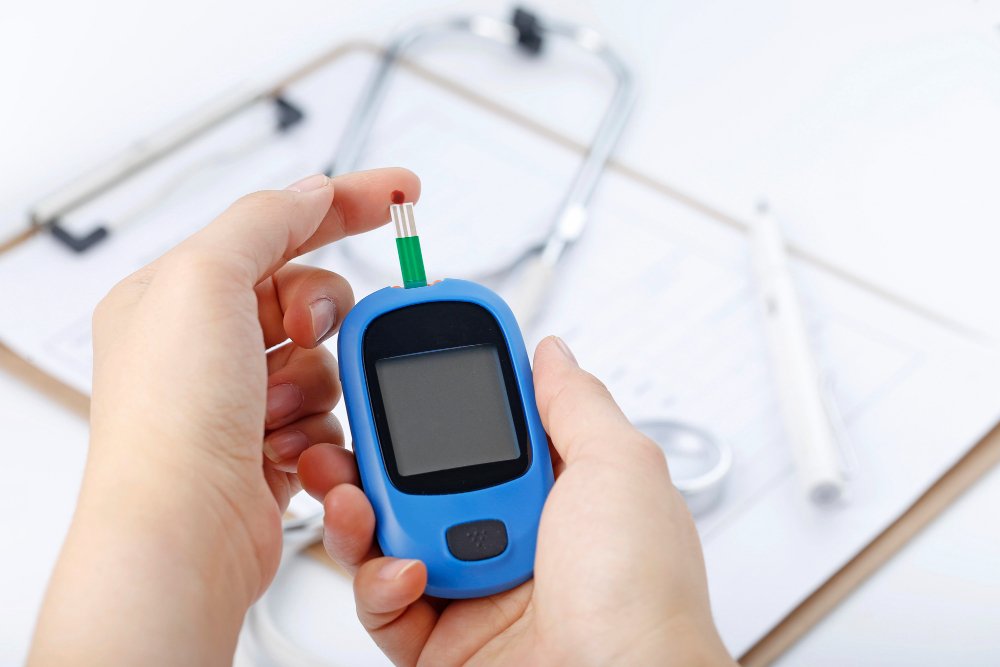
What Is Low Blood Sugar (Hypoglycemia)?
Low blood sugar, also called hypoglycemia, happens when your blood sugar drops below normal. For most people, this means a level below 70 mg/dL. Knowing what to do when blood sugar drops is important for your safety. Hypoglycemia can happen quickly, so it is important to act fast. According to the CDC, anyone with diabetes or those taking certain medicines are at higher risk.
Common Symptoms of Low Blood Sugar
Recognizing hypoglycemia symptoms early can help you avoid serious problems. Often, symptoms appear suddenly. However, not everyone feels the same signs. Watch for these common symptoms:Shakiness or tremblingSudden sweatingFeeling hungryHeadacheFast heartbeatWeakness or tirednessDizziness or feeling lightheadedConfusion or trouble focusingIrritability or mood changes
Sometimes, people may not notice symptoms. This is called “hypoglycemia unawareness.” Therefore, regular blood sugar checks are important if you are at risk.
Causes of Blood Sugar Drops
There are many reasons why blood sugar can drop. Understanding these causes can help you prevent future episodes. Some common causes include:Taking too much insulin or diabetes medicineSkipping or delaying mealsEating less than usualExercising more than normalDrinking alcohol, especially on an empty stomach
Sometimes, illness or stress can also affect your blood sugar. For this reason, it is important to monitor your levels often.
Immediate Steps to Take When Blood Sugar Drops
When you notice symptoms, you need to act quickly. Here is what to do when blood sugar drops:Check your blood sugar if you can.If it is below 70 mg/dL, eat or drink 15 grams of fast-acting sugar. Good options include:4 glucose tablets1/2 cup (120 ml) of fruit juice or regular soda1 tablespoon of sugar or honey5-6 hard candies (not sugar-free)Wait 15 minutes, then check your blood sugar again.If it is still low, repeat the steps above.Once your blood sugar is normal, eat a small snack if your next meal is more than an hour away.
This is called the “15-15 rule.” It is a safe way to treat low blood sugar at home. However, if you cannot swallow or feel confused, someone should call for medical help right away.
Safe Management and Prevention Tips
Managing low blood sugar is not just about treating it. You can also take steps to prevent it. Here are some tips for safe blood sugar management:Check your blood sugar often, especially before meals and exercise.Eat regular meals and snacks. Do not skip meals.Carry a quick sugar source with you at all times.Talk to your doctor about your medicines. Adjust doses if needed.Wear a medical alert bracelet if you have diabetes.Let friends and family know how to help in an emergency.
Additionally, keep a record of your low blood sugar episodes. This can help your healthcare provider adjust your treatment plan.
When to Seek Medical Help
Sometimes, low blood sugar can become a medical emergency. Seek help right away if:You cannot eat or drink safelyYou feel confused, drowsy, or lose consciousnessYour blood sugar stays low after two treatmentsYou have a seizure
In these cases, call emergency services or go to the nearest hospital. Quick action can save lives.
Frequently Asked Questions
Can low blood sugar happen without diabetes?
Yes, but it is less common. Some medicines, illnesses, or long periods without food can cause it.
What foods help raise blood sugar quickly?
Foods with simple sugars work best. For example, fruit juice, regular soda, glucose tablets, or honey.
How can I prevent low blood sugar during exercise?
Check your blood sugar before and after activity. Eat a snack if needed. Always carry a quick sugar source.
Conclusion and Next Steps
Knowing what to do when blood sugar drops can keep you safe. Always act quickly if you notice symptoms. Use the 15-15 rule and carry sugar with you. If you experience frequent low blood sugar episodes, consult a healthcare professional at Niramayah Mediclinic for personalized guidance.